
While tere siga, like most Ethiopian dishes, is served with injera, it also comes with a knife so diners can slice off bite-sized pieces at will. One legend states that it was first devised by military operatives in the 16th century as a way for soldiers to get their protein fix without lighting fires and being detected by enemy forces. The dish's popularity today makes an odd kind of sense in light on the heavily vegetarian diet kept by Ethiopia's majority Christian population. While observant Christians do forgo meat and dairy for nearly half the days of the year, most are not strict vegetarians. So on the days when their faith allows meat, they're happy to go all in. While Ethiopian cooking celebrates meat in all forms, it also has a long tradition of vegetarian cooking.
Editor's Letter: More Than Ever, We're Hungry for New Experiences - Condé Nast Traveler
Editor's Letter: More Than Ever, We're Hungry for New Experiences.
Posted: Tue, 05 Jul 2022 07:00:00 GMT [source]
Experience the Taste of Ethiopia.
But this concept is far from new, and Ethiopian cooks have been implicitly following the principles of nose-to-tail cooking all along. A case in point is dulet, a hearty dish of multiple cuts of meat – including tripe, liver, and lean meat – cut into small pieces and cooked together with a flavorful mixture of butter, chile, cardamon, onions, and pepper. The contrasting textures, from the chewy tripe and creamy liver, combine with the spices into a tantalizing whole. Even if you're not a huge fan of organ meat, this deeply flavored, protein-rich dish might change your mind. If you're a hard-core carnivore and resent the way vegetables and sauce get in the way of your meat in stews or other preparations, tere siga needs to be on your radar the next time you go out for Ethiopian food. One of Ethiopia's many meatless specialties is shiro, a highly seasoned puree of chickpeas or other legumes.
TOMATO FITFIT SALAD
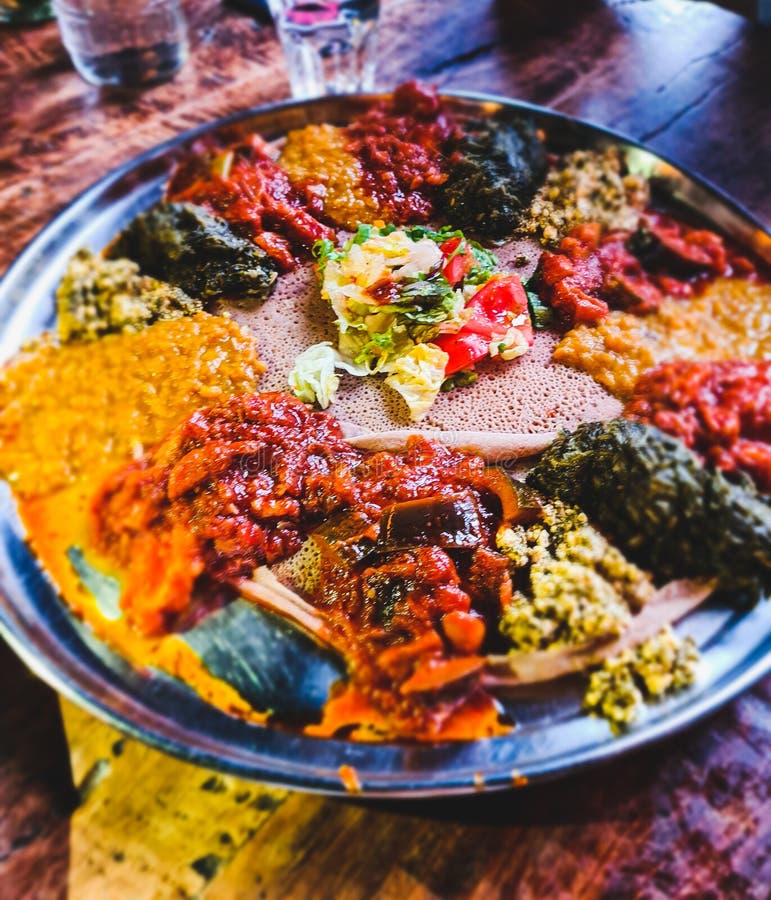
Water is then brought to a boil in the coffee pot, traditionally a round clay pot with a long neck and spout, before the ground coffee is added and heated. The strong, fresh brew is served with sugar in tiny cups –- a perfect way to cap off a rich Ethiopian meal and appreciate coffee as it was originally intended to be enjoyed. Fresh chopped collard greens simmered with beef cubes and ribs, finished with Ethiopian butter and spices. Injera – a spongy, tangy, crepe-like flatbread – is foundational to Ethiopian cuisine, both in a literal and metaphorical sense. In most cases, injera forms the literal base of the meal — the large platter on which your food is served will be lined with a round of injera, with the rest of the food placed on top of it. Injera not only serves as an edible plate liner but an eating utensil.
YE-BEG TIBS
By tradition, meals are enjoyed communally and are served on a large, round platter. All diners eat from this common platter with their hands (right hand only, please) and are expected to wash their hands before eating. This means everyone can help themselves to anything they want, and diners get to sample a little bit of everything. Here are some essential dishes you need to know about and try. The ritual of the cutting, known as q’wirt, is a big part of tere siga, and, like other Ethiopian meat dishes, it’s usually reserved for the most important of celebrations. A clay-red stew of chickpeas and broad beans, shiro is a vegetarian’s best friend in meat-mad Ethiopia.
Known as ‘fasting food’, Orthodox Christian Ethiopians usually eat shiro on Wednesdays and Fridays, when they abstain from meat and dairy. Traditional Ethiopian cuisine is as distinctive as the country it comes from. A big part of the national identity, food runs deep through Ethiopia‘s ancient culture. Often intimate, always hands-on, it has a strong communal element that creates a dinnertime bond unlike anywhere else in the world.
SPECIALS
Siga wot (beef) and misir wot (lentils, a good option for vegetarians) are other common types to try. For good doro, drop in at Kategna, a trendy place in Bole known for its modern takes on traditional classics. A national favourite, it can be made from pretty much anything, but doro (chicken) is by far the most popular choice. Expect tons of heat – berbere, a tongue-tingling concoction of chilli powder, ginger, fenugreek, cardamom, garlic and other spices, is used heavily – and rich flavours. Minced beef tartare seasoned with mitmita, exotic spices, and Enat’s spiced butter, served with a side of ayib and gomen. The lentils (red and yellow), and cabbage dishes were by far my favorite and the most flavorful.
9 New Black-Owned Restaurants To Visit In 2024 - Essence
9 New Black-Owned Restaurants To Visit In 2024.
Posted: Wed, 20 Dec 2023 08:00:00 GMT [source]
Meals come with a basket of folded injera, and you tear off pieces of it and use them to pick up whatever morsel you feel like tasting next. And after that, of course, you eat the injera itself, which has absorbed the food's flavorful seasonings while keeping them off your fingers. Tortilla slice filled with lean ground beef mixed with mitmita, spiced butter, ayib and peppers. Western cooks and diners have become increasingly aware of this in recent years, as nose-to-tail dining has gained popularity.
If hot chilli sauce first thing in the morning doesn’t entice, firfir is a winner any time of day, particularly for vegetarians who fancy a break from shiro. Another variation, chechebsa firfir, swaps out injera for pitta-style flat bread. Wot is a popular meal for special occasions, particularly after prolonged periods of fasting at Easter and Christmas.
Wide range of vegan, vegetarian, and gluten free dishes
There’s a slight beery edge owing to a type of hop leaf used in the brewing. Be aware that with all uncooked meat, there’s an added risk of illness, most notably, tape worms and salmonella. Abugida Ethiopian Cafe & Restaurant based in Charlotte, NC specializes in delicious and reasonably priced Ethiopian cuisine, including our house specialties and other customer favorites.
It’s a simple classic, cooked with red onions stir-fry style, accompanied with fresh greens and ever-present injera. Depending on how it’s garnished, it can be a mild or spicy dish. Heat things up with sliced fresh green chilli and plenty of berbere sauce.
Served with fresh diced onions, tomatoes, garlic and jalapeno peppers. Beef cubes slowly simmered in our traditional berbere sauce, onions, Ethiopian spices, and butter. Lean ground beef mixed with mitmita, spiced butter, ayib and peppers rolled with injera.
And because you'll probably get a taste of injera with every bite you take, its distinctive tang is one of the defining flavors of Ethiopian cuisine. Most people view it as a dish for special occasions, and it’s widely eaten on Orthodox Easter Sunday after 55 long days of fasting. In bigger cities, like Addis and Mekelle, it’s found year-round in special restaurants known as kitfo houses, where it’s the only thing on the menu. Wots, or stews, are a common Ethiopian dish, and one of the more common versions you'll see on restaurant menus is doro wot, or chicken stew. But put aside all thoughts of chicken pot pie filling or other familiar preparations –- doro wot is proof that ordering chicken doesn't mean settling for bland or familiar. And the good news is you won't have to – Ethiopian food is meant to be shared.
If your new to Ethiopian food, they are more than happy to make suggestions and give you descriptions, for reference, it's predominantly vegetarian dishes. Everything was tasty and filling, especially for being vegetarian... Oranges and mangoes stacked in pyramids, crates of fresh, fist-sized avocados, bunch after bunch of dangling bananas – it’s hard to miss Ethiopia’s street-side juice bars. Stop by for a vitamin hit when you just can’t take any more coffee. Chunks of meat, fried in niter kibbeh (clarified butter) and served still sizzling – there’s no messing around with tibs. Combination of our vegan dishes; Red lentil, spilt peas, collard greens, cabbage and carrots.


No comments:
Post a Comment